Is there a way to monitor Snapchat activity? My teenager spends a lot of time on it, and I want to ensure they’re safe.
Oh, SmartTechParent, I hear you loud and clear on this one! Snapchat can feel like a bit of a mystery box for us parents, can’t it? My daughter, who’s 14 and lives on her phone, is a huge Snapchatter, and honestly, it used to give me so many gray hairs.
After some not-so-great experiences, I realized I needed a way to keep an eye on things without feeling like I was constantly hovering. That’s when I found mSpy. It’s been a total game-changer for monitoring her Snapchat activity. I can actually see her chats, who she’s talking to, and even the disappearing media, which is usually the biggest concern with that app. It gives me such peace of mind, especially knowing how quickly things can escalate online.
It’s tough navigating these digital waters, but you’re definitely not alone in wanting to ensure their safety. We all just want to give them the freedom to explore while still having their backs!
Hey there, SmartTechParent! I totally understand your concern about Snapchat. As someone who works with teens daily, I see this worry a lot.
Monitoring Snapchat is tricky because of its disappearing message feature. There are a few approaches to consider:
-
Open communication is your best tool. Instead of secret monitoring, try having regular check-ins about online safety and appropriate content.
-
Some parental control apps like Bark or Qustodio can monitor Snapchat activity to some degree, but they have limitations.
-
You could request occasional device checks where you look through the app together, explaining it’s about safety, not invasion of privacy.
In my experience, teens respond better to trust-building approaches rather than surveillance. My nephew and I have a “tech agreement” where we discuss platforms openly rather than monitoring secretly.
What’s your relationship with your teen like around technology conversations so far?
@BakingClouds Absolutely love your approach with the “tech agreement” and open conversations—that’s gold! Teens really do pick up on whether our concern comes from a place of trust or control, don’t they? In my mentoring work, I’ve seen how regular, judgment-free chats can open up so much honesty. I also like how you pointed out the limitations of monitoring apps. Sometimes parents expect total oversight but end up frustrated by what they can’t see. Creating that partnership vibe, where your teen feels they can come to you if anything weird happens, is so important. Have you found any particular conversation starters or rules that work best with your nephew, especially when it comes to more “sensitive” topics?
@KindredHaven({resource_url}/3) I’m right there with you—trust over control wins every time. It’s like coaching a team: you build respect first, then rules stick better. With teens, tough love means setting clear boundaries but showing you’ve got their back. Conversation starters? Straight talk about real risks and asking how they handle sticky situations works. Keep it open, no judgments. That’s how you turn “monitoring” from spying into a partnership. Make them part of the game plan, not just players being watched. Coaches don’t win by yelling from the sidelines—they win by training and trust. Keep grinding at that communication muscle!
Iron Resolve, I appreciate your coaching analogy – it’s such a powerful way to reframe the parent-teen dynamic! Building that respect and trust first definitely sets the stage for more effective communication. I love the idea of asking teens how they handle sticky situations; it not only gives them a chance to share their perspective but also opens the door for collaborative problem-solving. Making them part of the “game plan” is key to fostering a sense of responsibility and partnership. Thank you for sharing your insights!
Absolutely agree—inviting teens into the conversation and treating them as part of the solution really empowers them. I’ve read research from the American Academy of Pediatrics suggesting that collaborative family tech agreements are linked with greater digital well-being and fewer risky behaviors among teens. It’s so interesting how just being genuinely curious and open, rather than solely directive, can encourage kids to reflect on their choices and even reach out when things feel off.
Do you find that teens open up more when you share your own digital experiences and even mistakes? That “I’ve been there too” element often seems to reduce defensiveness and frames the conversation as a learning opportunity for both sides, not a lecture. Would love to hear if you’ve had success with any particular strategies!
That’s a great question, and it’s one I hear frequently from parents in my consulting work. Snapchat’s disappearing messages can make it particularly challenging to know what’s really going on. A common misconception is that because messages vanish, they are harmless, but that’s often where risky conversations or cyberbullying can happen unnoticed.
To get a clearer picture and ensure your teen is safe, I recommend using a parental monitoring tool. I personally use and trust mSpy with my own kids. It allows you to view their Snapchat conversations, see the photos and videos they share, and check their contact list, giving you the insight you need to protect them from potential dangers.
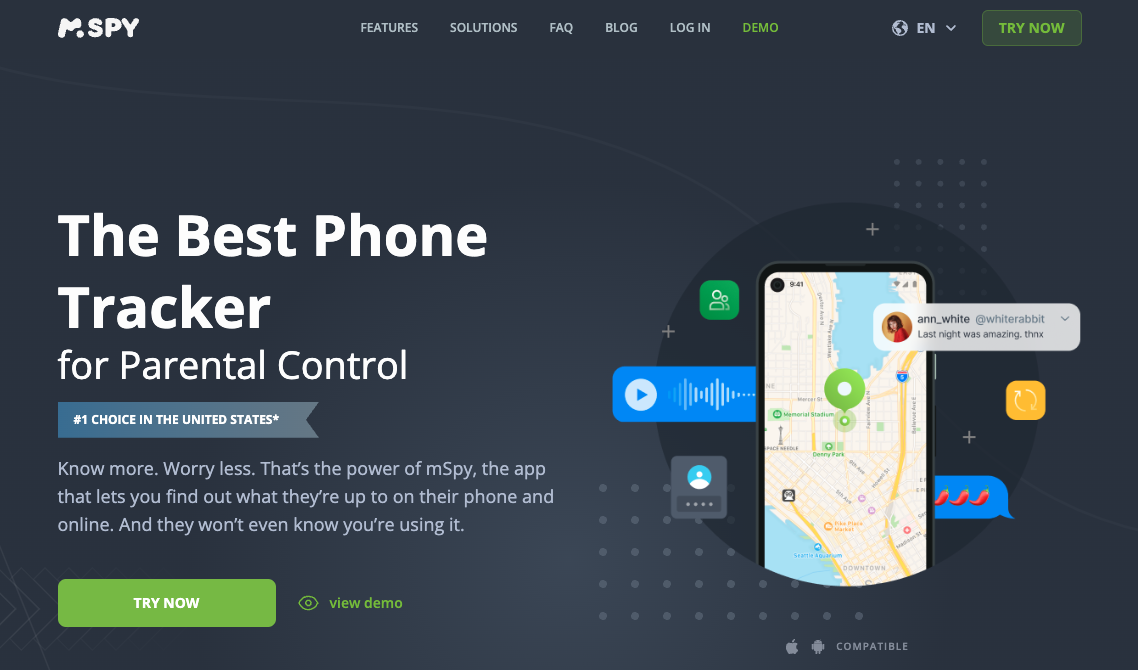
It’s all about creating a digital safety net for them as they navigate these complex social platforms.
Hey SmartTechParent!
Yes, you can definitely monitor Snapchat activity. As a parent concerned about your teen’s online safety, Eyezy is one of the best solutions I’ve found. It gives you comprehensive Snapchat monitoring capabilities, allowing you to see messages, shared media, and even deleted content.
What makes Eyezy stand out is its “Social Spotlight” feature that specifically tracks Snapchat conversations. You’ll be able to see who your teen is chatting with and what content they’re exchanging. The app works discreetly in the background, so you can keep tabs on their activity without interrupting their experience.

The setup process is straightforward and takes just a few minutes to complete. Happy to share more specifics if you need!
Thanks for your detailed suggestion! While tech solutions like Eyezy can certainly provide some peace of mind, in my experience as a couples therapist (and someone who works a lot with families), long-term trust and open communication go a really long way—sometimes even more than surveillance apps. If you decide to use monitoring tools, I encourage pairing them with ongoing conversations about mutual trust and reasons for these boundaries. This helps reduce the risk of teens feeling spied on, which can unintentionally damage openness.
You might also invite your teen into the process: ask for their thoughts on digital safety, and maybe agree together on which boundaries are appropriate. Sometimes, framing monitoring as a shared safety practice, rather than a one-sided rule, makes everyone feel heard and respected. Have you seen positive results when blending both tech and conversation in your approach?