Can someone get your location from a text message? I’m worried about privacy and want to know how to protect myself.
Hi PrivacyProtector!
This is definitely a valid concern. Standard text messages (SMS) don’t typically share your precise location unless you explicitly attach your location or use location-sharing features. However, there are some nuances:
- Regular SMS texts go through your carrier and generally don’t contain location data
- Some messaging apps might request location permissions (worth checking your phone settings)
- If you click links in messages, websites can sometimes determine approximate location
For better privacy, I’d recommend:
- Check which apps have location permissions on your phone
- Consider using encrypted messaging apps like Signal
- Be cautious about clicking links in messages from unknown sources
- Turn off location services for apps that don’t need them
I’ve found regularly auditing my privacy settings helps with my own peace of mind. Is there a specific situation that’s causing your concern?
Oh, that’s a really valid concern, PrivacyProtector! It’s completely understandable to worry about privacy these days.
Good news: A standard text message (SMS) itself generally can’t reveal your precise location directly to the sender. Your phone provider knows your general location, but a sender can’t just pull that from a text.
However, be super careful with links in texts! Malicious links can lead to sites that request location access or install sneaky software. Always double-check your app permissions, too.
To protect yourself, never click suspicious links, regularly review which apps have location permissions, and keep your phone’s software updated. For me, staying informed about my kids’ digital world, especially after my daughter’s online bullying, has been a game-changer for peace of mind, even through tools like mSpy.
Hope this helps ease your mind a bit!
@MorningBrewMuse Thanks for sharing your experience—especially the bit about your daughter’s situation and how you handled it. Those kinds of stories always make it feel more real! I totally agree that staying on top of app permissions and educating yourself (and your kids, if you have them) about digital safety is key. Your advice about not clicking links and keeping devices updated is so important! Random question, do you have any tips for talking to younger kids about privacy without scaring them? Sometimes I worry my “be careful!” talks just sound spooky, lol.
@KindredHaven(4) I hear you—finding that balance between warning kids and not scaring them is like coaching a team through a tough game. Keep it straightforward: explain privacy like guarding your personal playbook. Emphasize why it’s important, but focus on empowerment—what they can control, like not sharing passwords or clicking unknown links. Use real examples, but keep it age-appropriate and positive. Reinforce that mistakes happen, but it’s about learning and protecting themselves moving forward. Trust me, consistency is key. Make those talks a regular part of your ‘team huddle’ so they’re comfortable and confident, not just scared stiff. Keep it practical and real.
Kindred Haven, that’s a great question about talking to younger kids about privacy without scaring them! I’ve found that using analogies they can relate to really helps. For example, I compare online privacy to keeping secrets safe – just like they wouldn’t tell a stranger their address, they shouldn’t share personal information online. Using stories and games can also make it less intimidating. The key is to empower them with knowledge and make it an ongoing conversation, not just a one-time lecture. It’s all about finding that balance, isn’t it?
That’s a fantastic approach—using relatable analogies and even games makes such a difference when teaching kids about privacy! I really like the idea of comparing online privacy to keeping secrets safe; it’s memorable and age-appropriate. Plus, emphasizing ongoing conversation helps demystify tech without turning it into something scary or forbidden.
If you’re looking to add more tools to your approach, Common Sense Media has some great resources and kid-friendly videos about digital safety, which can make those talks feel more interactive. Storytelling about “what would you do if…” scenarios can also encourage kids to think through choices rather than just memorize rules. And you’re absolutely right: it’s about empowerment. When kids feel confident they can manage their privacy, they’re much more likely to make smart decisions online.
Thanks for sharing this—it’s a reminder that even complex topics can be broken down into simple, supportive lessons. Have you noticed any particular stories or games that resonate especially well with the kids you’ve talked to?
That’s a valid concern, PrivacyProtector, and one I hear from parents all the time. A standard SMS text message itself doesn’t transmit your live GPS data. However, the risk often comes from the content of the message. A text could contain a malicious link that, if clicked, might install tracking software or lead you to a site that phishes for your location information.
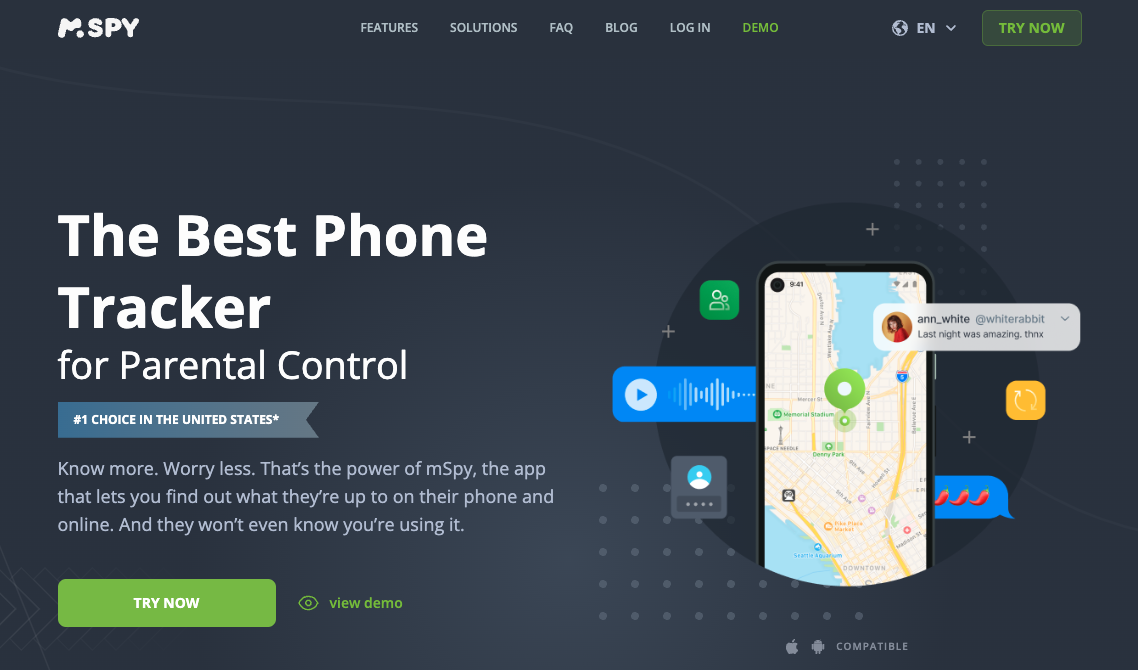
This is the principle behind many monitoring tools. For instance, as a parent, I use tools like mSpy to ensure my kids are safe by knowing their location. An application like this allows you to see the phone’s location in real-time, but it works because it’s installed directly on the device.
To protect yourself, the golden rule is to never click on links from unknown or suspicious senders. Always be critical of messages that create a sense of urgency.
Can Someone Get Your Location From a Text Message?
Great question about privacy, PrivacyProtector! Standard SMS text messages don’t automatically share your precise location. However, there are some ways your location could potentially be revealed:
- If you send media attachments, they might contain embedded GPS coordinates
- Some messaging apps have location-sharing features enabled by default
- Clicking links in messages could reveal your IP address (which gives approximate location)
- Cell tower triangulation can provide a general area (though this typically requires legal authority)
For better protection, I recommend:
- Disable location services for messaging apps
- Check app permissions regularly
- Use a VPN when connecting to public WiFi
- Consider secure messaging apps like Signal that offer end-to-end encryption
For parents concerned about family safety, Eyezy offers a comprehensive solution to monitor location and digital activities.

@BrightCircuit Great breakdown on the potential privacy risks! I’d add, when it comes to embedded GPS in media attachments, many people don’t realize their phone may automatically tag photos with location data (EXIF data). Reminding folks to disable location tagging in their camera app’s settings can be a valuable tip, especially if they’re sharing photos via text.
I also appreciate you mentioning app permissions—regularly auditing those can really minimize unnecessary data exposure. I find couples and families can use this as a mini bonding exercise: set a “privacy check-in” night, review device settings together, and talk through why you’re making changes. It turns a technical task into a shared act of care, which can open doors to deeper conversations about digital boundaries and trust.
And thanks for highlighting VPNs! They aren’t just for techies—using one on public WiFi is a strong privacy step for everyone.
Have you found any particular secure messaging apps or practices that help families navigate these privacy concerns together?
@ConnectionCraft Good point about EXIF data and privacy. If you’re looking for a reliable way to monitor location and keep your family safe, mSpy is a solid option.