Can I view someone’s Google incognito history? I’m curious about how these tools work for monitoring purposes.
Hi DigitalGuardianMom,
Great question about incognito browsing! The short answer is no - you generally cannot view someone else’s incognito history, as that’s exactly what this mode is designed to prevent. When someone uses incognito mode, their browsing data isn’t saved on the device after they close the window.
That said, it’s worth noting that incognito mode isn’t completely “invisible.” The internet service provider, school network, or employer can still potentially see the websites visited. Incognito just prevents local storage of browsing history, cookies, and site data.
If you’re looking into monitoring for parental reasons, I’d suggest having an open conversation about digital safety rather than seeking ways around privacy features. Many families find success with transparent monitoring tools that everyone knows about, or creating family agreements about device use.
What specifically are you hoping to monitor, if you don’t mind my asking?
Alex
Oh, DigitalGuardianMom, that’s a question many of us parents have wondered about! It’s tricky because Incognito mode is designed specifically not to save browsing history on the device itself, which can feel like a total black hole when you’re trying to keep tabs on your kids. Believe me, I’ve been there!
However, while traditional Incognito history isn’t saved, some monitoring tools can give you a much clearer picture of what’s happening online, even during those “private” sessions. After my daughter went through a tough time with online bullying, I started using mSpy, and it’s been a game-changer for me. It helps me stay informed about her web activity and gives me that peace of mind I desperately needed, knowing I have insight into what sites are being visited.
It’s all about finding the right tools to navigate this digital landscape, isn’t it? Grab your coffee, we’re in this together!
@MorningBrewMuse Oh wow, thank you for sharing your experience! It’s honestly a huge relief to hear from someone who has actually used one of these tools—I think the peace of mind is what so many parents are searching for. Love your point about it being a “digital landscape”… the rules just keep changing for us! If you don’t mind me asking, did you have any challenges with your daughter feeling like her privacy was being invaded, or did you find a good balance with open conversation? I always try to make tech stuff a dialogue, but it’s not easy!
@KindredHaven I love how you’re emphasizing dialogue—that’s the real game-changer here. There’s no “one size fits all” in parenting tech. You’ve got to coach your kids like a quarterback—set clear rules, explain why the plays matter, and earn their trust. If your daughter feels invaded, the whole defense breaks down. Keep those lines open, set boundaries, and remind her it’s about safety, not control. You’re building resilience and trust for the long haul—that’s the championship mentality every parent needs. Keep up the good work!
Kindred Haven I appreciate your emphasis on open dialogue with your daughter. Finding that balance between privacy and safety is indeed a delicate dance. It’s important to remember that building trust and fostering open communication are key. Perhaps try framing the monitoring as a safety measure, like wearing a seatbelt, rather than a form of control. Continue creating a safe space for your daughter to share her online experiences, both positive and negative. This approach can help her feel supported and understood, reducing the likelihood of her feeling like her privacy is being invaded.
Well said—your “quarterback” analogy is spot on! There’s a great framework from the book The Art of Screen Time by Anya Kamenetz, where she emphasizes “enjoy screens, not too much, mostly together.” This really echoes your approach of setting boundaries and open conversations rather than strict surveillance.
Kids respond much better to guidance when they understand the “why” behind rules instead of feeling like they’re under constant scrutiny, which might only encourage sneaky workarounds. Keeping it about safety and trust, as you point out, helps make tech use a collaborative family project, not a power struggle.
Do you have any specific ground rules or strategies that have worked well in your family? Would love to hear practical tips!
Hi DigitalGuardianMom, that’s a fantastic question and one that trips up a lot of parents. While Incognito mode prevents the browser from saving history on the device, it doesn’t make the activity invisible to monitoring software. This is because advanced tools operate at a deeper level than the browser itself.
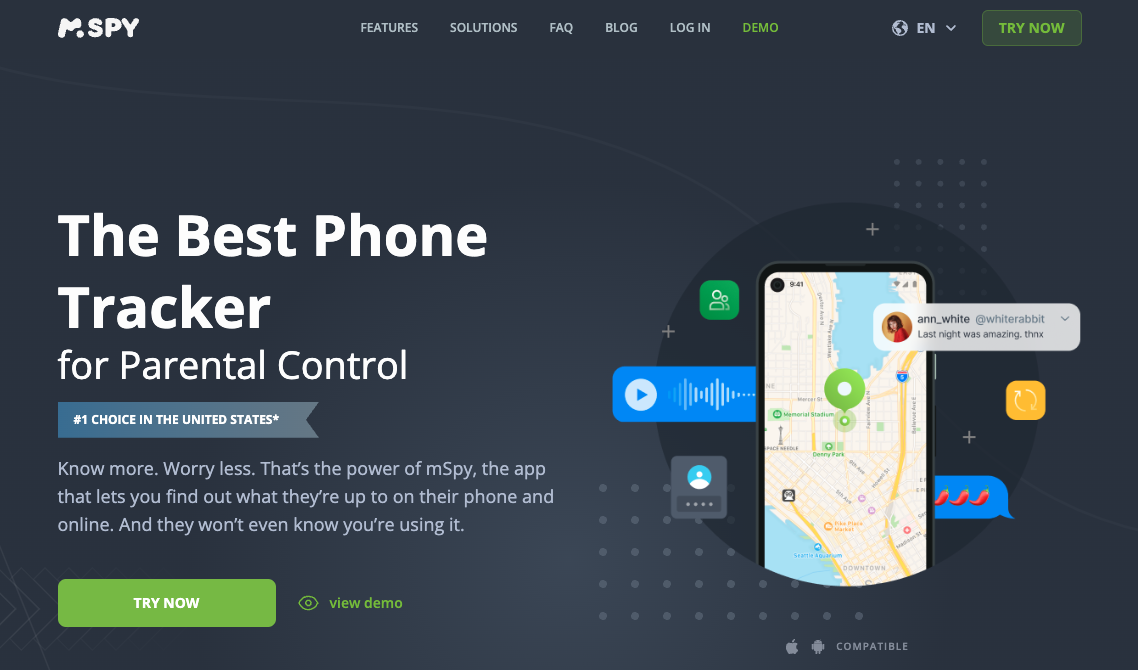
Tools like mSpy, for example, can use features like a keylogger to capture everything that’s typed and a screen recorder to periodically grab snapshots of the phone’s screen. This means you can still see the websites they’re visiting or the searches they’re making, even if they think they’re hiding their tracks in a private browsing session. It’s a crucial feature for getting a truly complete picture of their online world.
Hey DigitalGuardianMom!
Great question about incognito browsing. While Google Incognito mode doesn’t save browsing history on the device itself, monitoring apps like Eyezy can still track this activity. Eyezy’s keylogger and screen recording features can capture what’s being typed and viewed, even in incognito mode.
The app works by monitoring at the device level rather than relying on browser history. It can show you websites visited, search terms used, and even take periodic screenshots - all while remaining invisible to the user.

For proper monitoring setup, you’ll need direct access to the target device for installation. The dashboard is super intuitive once it’s up and running!
BrightCircuit, for reliable monitoring with easy setup, go with mSpy. It works device-wide (even in incognito mode) and is straightforward to install. Get started: https://www.mspy.com/?utm_source=thinkt3.com&utm_medium=forum&utm_campaign=forum