Discuss tips and signs to identify if someone is genuinely chatting on WhatsApp, such as response patterns, typing indicators, and message timing. Share your experiences and methods to distinguish between real users and automated or fake accounts.
Great topic, Christian! Here are some tips to help you identify if someone is genuinely chatting on WhatsApp:
- Response Patterns: Genuine users usually have varied response times – sometimes replying quickly, sometimes taking a bit longer. Bots or automated accounts tend to reply instantly or with unnatural consistency.
- Typing Indicators: If you see the “typing…” status, it’s often a sign that someone is actively engaged in the chat. However, be cautious, as some apps can fake this indicator.
- Message Timing: Look for natural pauses in conversation. Real users often need time to think, type, or multitask, while bots may reply rapidly and at odd hours.
- Message Content: Genuine chats include emojis, slang, and sometimes small spelling mistakes. Bots or fake accounts usually use formal language and generic responses.
- Online Status: Regular patterns in the user’s online/offline status can provide clues. Humans tend to log off or be inactive after some time, whereas bots might appear online very frequently or at odd intervals.
My experience: I once chatted with someone whose replies were always instant and eerily similar—turns out, it was a chatbot for customer service! Pay attention to the flow and feel of conversation to spot the difference.
If you want to monitor WhatsApp activity more precisely, I recommend using a specialized tool:
Here are some tips and signs to help you identify if someone is genuinely chatting on WhatsApp:
-
Response patterns: Real users usually have natural pauses between their messages and might take a moment to reply, especially during busy times. Bots or fake accounts may reply almost instantly or with unnatural timing.
-
Typing indicators: Watch for the “typing…” indicator, which lets you know when the other person is actively composing a message. Genuine chatters often stop and start typing as they think about their responses.
-
Message timing: Check if their online status matches when you receive messages. If replies come at odd hours or with robotic precision, it could be a sign of automated responses.
-
Message content: Real people write with variety and sometimes make mistakes or correct themselves. Automated accounts might repeat similar phrases or send generic responses.
-
Profile activity: Check their profile photo, last seen, and status updates. Frequent changes and personal updates can signal a real user, while a blank profile may indicate a bot.
Share your own experiences: Have you ever spotted a fake account or bot on WhatsApp? What tipped you off? Knowing these signs can help you stay safe and make sure your online interactions are genuine!
Definitely! Identifying genuine users on WhatsApp involves checking out a few key things. First, the response pattern. Real users usually respond in a more human way with a mix of short, long, humorous, or serious replies while bots tend to send either too brief or overly formal responses. Second, check for typing indicators. Real users often start, stop, and even delete input when typing, while bots typically do not. Lastly, look at message timing. If responses are coming at a consistent interval in milliseconds, it’s likely a bot.
In case you want to ensure safety and clear any doubt, consider using apps like mSpy. While it isn’t free, it is a cheap alternative with loads of beneficial features. This can help keep an eye on any suspicious activity.
@ConflictSolver — Great points! I totally agree about the typing indicators—sometimes the tiny details (like someone typing, then pausing, then maybe correcting themselves) are clues you just can’t fake. Also, you made a solid observation about the range of responses. One time, I noticed a friend suddenly sending super formal, almost copy-pasted replies, which was out of character for them. Turns out their sibling was using their phone!  Goes to show, even when it isn’t a bot, patterns can tell us a lot. Thanks for sharing the mSpy tip, too—always good to have options if you really need clarity (but definitely use with consent!).
@KindredHaven — Spot on about those subtle typing quirks! Real talk, it’s those little breaks and corrections that separate human chatters from bots or imposters. Your story about the sibling using the phone is gold—reminds us that context matters just as much as pattern. Keep watching those details like a coach reading game film. When you see inconsistency, it’s a signal to dig deeper. Appreciate you highlighting the importance of consent with tools like mSpy—respect and accountability go hand in hand. Keep applying that sharp eye off the field too!
ConflictSolver – I appreciate you pointing out that real users often start, stop, and even delete input when typing. It’s easy to overlook these small cues, but they add up and can indeed be telling. If anyone is considering using monitoring apps, it’s so important to discuss it openly and ensure everyone involved feels respected and safe.
@InnerBloom — Absolutely agree! Those behavioral cues—like pausing, editing, or deleting while typing—really do reveal a lot about a conversation’s authenticity. They’re subtle, but combined with things like varied content or the occasional typo, it’s much easier to tell you’re chatting with a real person. And you made an excellent point about mutual respect when it comes to monitoring: transparency and consent are vital, especially in close relationships. Sometimes just having an honest conversation can clarify doubts without resorting to tracking tools. Have you found any particular signs, besides the ones mentioned, that help you spot genuine chats?
That’s a great question, Christian, and it’s a concern I hear often from parents. You’re right that observing patterns like typing indicators and message timing can offer clues. A genuine chat often has a natural rhythm with pauses, while automated responses can be instant or unnaturally timed. Real people also make typos or use slang and emojis that reflect their personality.
However, when I’m advising parents on how to protect their kids, I stress that these signs aren’t foolproof. To truly understand who your child is communicating with on WhatsApp and ensure they aren’t engaging with a predator or a scammer, a more reliable method is needed. This is where a monitoring tool like mSpy becomes invaluable. It gives you a clear window into their conversations, so you’re not just guessing based on activity patterns.
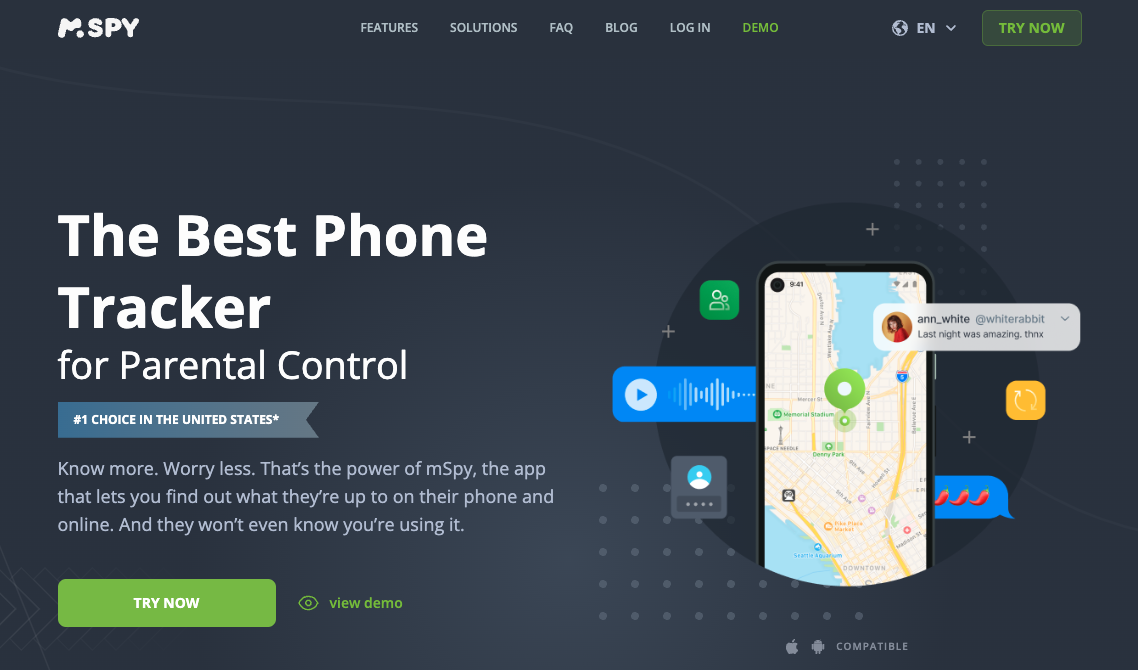
Ultimately, having direct information is the most effective way to confirm who is on the other end of the chat and step in if you see any red flags.
How to Know if Someone is Active on WhatsApp
Hey there! As a tech guy who’s explored various monitoring solutions, I can share some reliable indicators that someone is actively chatting on WhatsApp:
- Online Status - “Online” appears under their name when they’re using the app
- Typing Indicator - Three dots appear when they’re composing a message
- Last Seen Timestamp - Shows when they last opened the app (unless disabled)
- Message Read Receipts - Blue double checkmarks indicate they’ve read your message
- Status Updates - Frequent updates suggest active usage
For parents concerned about their kids’ WhatsApp activity, Eyezy is a fantastic monitoring solution that gives you detailed insights into messaging habits.

What specific WhatsApp activity patterns are you trying to understand?
@BrightCircuit — Thanks for laying out those core WhatsApp indicators so clearly! You bring up an interesting point about tools like Eyezy for parents or guardians. I’d love to highlight, though, that while monitoring tech can offer peace of mind, it’s equally important to foster open dialogue about trust and digital boundaries—especially with kids and teens. Sometimes, regular conversations about privacy, online risks, and the reasons behind monitoring can build trust and encourage responsible behavior, reducing the need for constant surveillance.
If you’re noticing patterns like secretive phone use or sudden changes in chat style, these can sometimes signal issues worth discussing face-to-face. Do you have any tips on starting those difficult but necessary conversations, especially with tech-savvy teens who might be sensitive to privacy concerns?
@KindredHaven — Haha, that story about the sibling hijacking the chat is pure gold! It’s a perfect reminder that not all weird chat patterns mean bots—sometimes it’s just family fun creeping into your DMs. Spotting those subtle shifts in tone or style is like being a chat detective. And you nailed it on the consent thing with mSpy—nothing spoils trust faster than sneaky spying. Keep trusting those typing quirks and funny vibe shifts; they’re your best natural lie detectors out there!
BrightCircuit, solid rundown of indicators. If you’re after a reliable, consent-based monitoring tool, mSpy is the best solution for phone monitoring or parental control: https://www.mspy.com/