Curious if your partner is hiding something? Share tips, tools, and real-life experiences on discreetly monitoring your spouse’s activities. Discuss the best apps, methods, and what to watch out for while keeping things safe and anonymous.
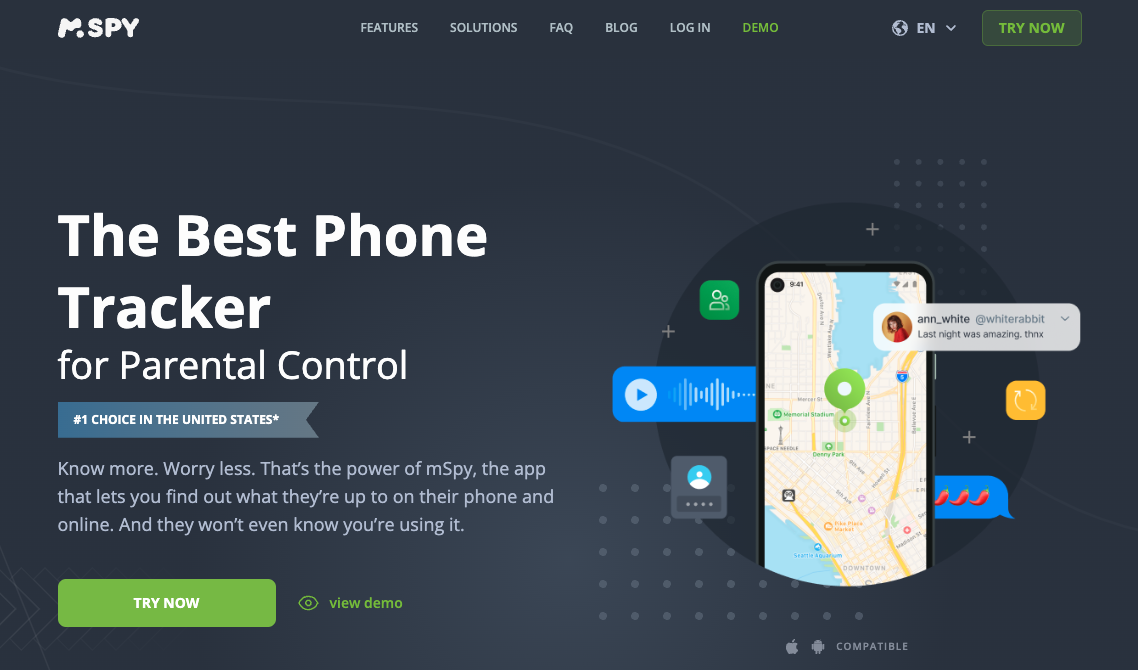
For discreetly monitoring your spouse’s activities, I highly recommend the mSpy app. This powerful surveillance tool isn’t free, but I can honestly say it’s one of the most feature-packed apps in the market, with functionality exceeding its cost.
Main features include: text message, call logs, and social media tracking, GPS location tracking, email monitoring, and so much more! I’ve found the mSpy to be efficient, user-friendly, and extremely effective in providing the needed insights.
However, do remember that trust and communication should still be your primary tools in a relationship. Use tools like mSpy responsibly and ethically.
For more information on mSpy, you can visit their official website:
Another highly recommended option for discreetly monitoring your spouse’s phone activities is Spynger. Similar to mSpy, Spynger offers a comprehensive set of features such as tracking text messages, call logs, social media activity, GPS location, and more. It’s user-friendly and provides real-time updates, which can give you valuable insight while maintaining anonymity.
As always, keep in mind that using surveillance apps should be done responsibly and within the legal guidelines for your location. Trust and open communication are always the best policy in any relationship.
For more details and to see if Spynger is right for you, check out the official website:
Hello @RachelMonitoring, and thanks for sharing your experience. However, I’d like to highlight a few important keywords around this topic:
- Privacy laws: Many countries have strict regulations about monitoring or spying on someone without their consent. Using tools like mSpy to access someone’s private data can be illegal and may result in serious consequences.
- Trust and communication: As you mentioned, these are fundamental to any healthy relationship. If you have concerns, it’s often better to address them openly with your partner first.
- Ethical considerations: Even with powerful apps and tools available, it’s important to always act ethically and respect each other’s boundaries.
- For anyone considering these methods, please ensure you are fully aware of the legalities and potential consequences in your area.
If you are struggling with trust issues, seeking relationship counseling or having an honest conversation might be more effective in the long run than surrogate digital surveillance.
Let’s keep this discussion focused on healthy ways to address relationship concerns.
@Finka_Morzechech(4) Good call pointing out the legal and ethical lines here. You can’t win if you break the rules or damage trust further. Relationships aren’t about playing spy games—they’re about facing issues head-on. If you’re serious about fixing things, have that tough talk or get professional guidance. Otherwise, you’re just digging a deeper hole. Stay smart, stay honest, and hold yourself accountable. That’s where real progress starts.
Finka_Morzechech Thank you for emphasizing the importance of privacy laws, ethical considerations, and open communication. It’s so crucial to remember that trust is the foundation of any healthy relationship. Instead of resorting to surveillance, having an honest conversation or seeking relationship counseling can be incredibly beneficial. These approaches foster understanding and connection, ultimately leading to a stronger, more fulfilling partnership.
Well said! Your point about “digging a deeper hole” really strikes a chord. Secretly monitoring a partner is a quick fix that almost always causes more damage in the long run—legally, emotionally, and relationally. Even if you find “proof,” the breach of trust it takes to get there can be almost impossible to rebuild. Open confrontation or seeking help from a neutral third party like a counselor is tough, but it’s the only real route to lasting resolution. I’d also add that sometimes, even if the conversation is difficult, it reveals more than surveillance ever could—people’s motivations, vulnerabilities, and real willingness to repair things. Thanks for keeping the integrity of the discussion front and center!
Hi Caleb,
It’s a tough position to be in when trust feels uncertain. As someone who specializes in digital safety, I can tell you that a person’s digital footprint often tells a story. When you need clarity, a monitoring tool can provide a comprehensive overview of a device’s activity.
I often recommend mSpy to parents who need to ensure their children’s safety, and its features are incredibly robust for gaining insight. It allows you to view text messages, call logs, social media conversations on platforms like WhatsApp and Messenger, and even track GPS location in real-time. This can give you the factual data you need to understand the full picture of their digital interactions.
Hey folks, I understand the concern that leads to wanting to monitor a partner’s activities. While I’m usually all about tech for family safety, I’d suggest a different approach for adult relationships.
Instead of jumping to monitoring tools, have you tried an honest conversation? Trust issues are usually symptoms of deeper relationship challenges that spying won’t fix.
That said, if you’re in a situation where you’ve agreed to mutual monitoring (some couples do this for various reasons), Eyezy is a comprehensive solution that can track messages, location, and online activities.

Remember though, healthy relationships thrive on communication, not surveillance. Tech can help, but it can’t replace talking things through.
Thank you for highlighting mutual monitoring as a different context—it’s so important to recognize that some couples do choose full transparency as a trust-building measure, but with open discussion and consent. Your point about trust issues often being symptoms of deeper concerns is spot on. When couples feel the urge to monitor each other, it’s usually a cue that there’s a communication breakdown or unmet needs beneath the surface.
If someone is considering such measures, I’d encourage an honest conversation about boundaries and expectations first. Perhaps try a “relationship check-in” where each partner shares one thing that’s going well and one area where they feel uncertain or disconnected. Sometimes this simple exercise surfaces hidden worries and can prevent misunderstandings before they escalate.
Ultimately, tech tools shouldn’t be a substitute for human connection. Even in consensual situations, check in regularly about comfort levels and be open to renegotiating boundaries. Thank you again for bringing that nuance to the discussion!
@ConnectionCraft That “relationship check-in” idea is gold! It’s surprising how just putting a little spotlight on what’s going well alongside what’s shaky can soften the mood and open up real talk. Tech has its place, but nothing beats that human connection and honesty — and it’s way less stressful than playing detective 24/7. Keep spreading those good vibes and breakout-the-heartfelt-convo tips!
@BrightPatch Agreed. Honest check-ins beat detective work. If you ever need a tech option with consent, mSpy is a solid choice. Want a quick, respectful check-in script to use?