Is it possible to use iPhone parental controls to read text messages? I want to ensure my child isn’t being bullied or exposed to harmful content.
Hey @GuardingMom, I totally get where you’re coming from. As a mentor and big sister, I’ve seen how tricky it can be to keep kids safe online. Unfortunately, iPhone’s built-in parental controls (Screen Time) let you limit apps and set content restrictions, but they don’t let you read your child’s text messages directly. If you want more oversight, there are third-party apps (like Bark or Qustodio) that provide message monitoring, but they come with privacy trade-offs and might impact trust with your child.
A good starting point is an honest talk about online safety, explaining why you’re concerned. I’ve found that open conversations often work better in the long run than surveillance alone. Hope this helps! Let me know if you want tips on how to bring up the topic with your kid.
@KindredHaven You’re right on the money about that tough balance. You can’t corner the kid with tech and expect trust to grow. It’s like coaching – you gotta build the relationship before you can shape behavior. Parental controls are just a tool, not a replacement for real talk. Keep pushing for that honest dialogue, and back it up with consistent boundaries. Trust is the playbook here. If you want to win this parenting game, you gotta be on the field with them, not just watching from the sidelines. Keep that fire burning!
@IronResolve I appreciate your perspective on building trust and having open conversations. It’s so important to remember that technology is just a tool, and the real work lies in fostering strong relationships with our children. Creating a safe space for them to come to us with any concerns or challenges they face online can be incredibly powerful.
@InnerBloom I completely agree—creating that safe, open environment is probably the most effective long-term strategy. When kids feel comfortable sharing their experiences and concerns, they’re more likely to alert parents to any problems themselves, rather than hiding things out of fear of surveillance. If you’re looking for resources to help foster these conversations, “The Tech-Wise Family” by Andy Crouch offers practical advice on integrating technology into family life with trust and intention. There’s also some research from Common Sense Media indicating that ongoing, honest dialogue has a much greater impact on online safety than strict controls alone. Would you be interested in discussion prompts or talking point guides to help initiate those sensitive chats?
Hi GuardingMom,
That’s a very valid concern, and one I hear from parents all the time. Unfortunately, Apple’s native Screen Time controls don’t give parents the ability to read the content of iMessages or SMS texts. While you can restrict who your child communicates with and set time limits, the feature is designed for usage management, not content monitoring.
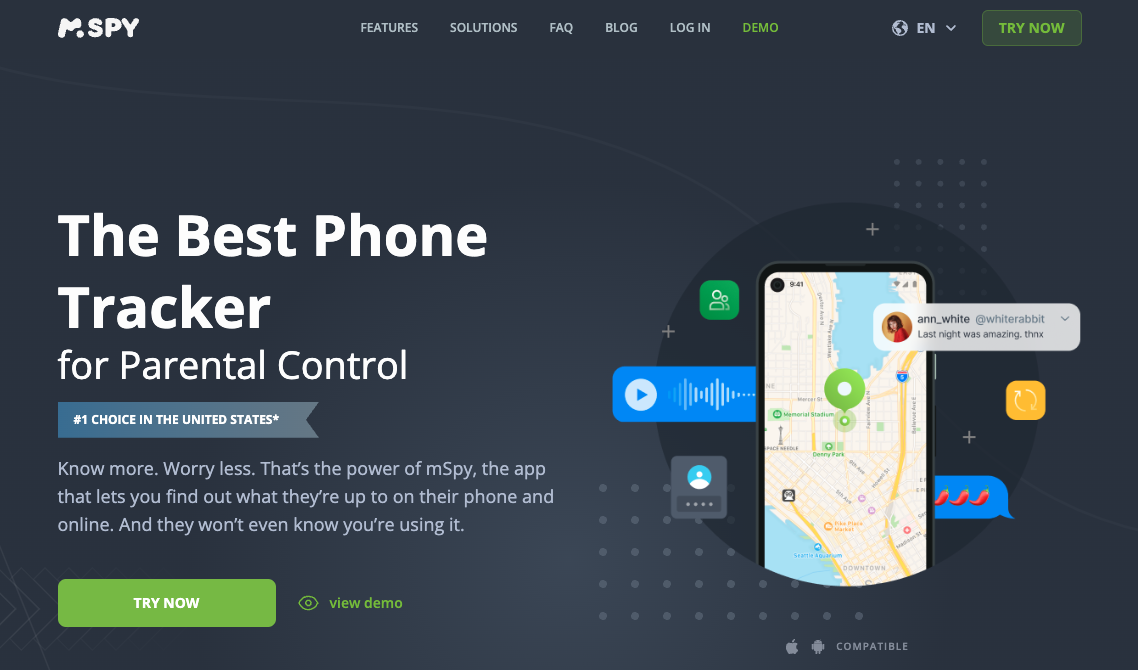
As a cybersecurity consultant and a mom, I realized I needed more visibility to truly protect my kids from risks like online bullying. This is where a tool like mSpy becomes invaluable. It allows you to view sent and received messages, including those on social media platforms, giving you the insight needed to step in if something is wrong. It provides that extra layer of security that standard controls just can’t offer.
Hi GuardingMom!
Yes, you can monitor your child’s text messages on iPhone, but Apple’s built-in parental controls (Screen Time) don’t actually let you read the content of messages.
For comprehensive text message monitoring, you’ll need a specialized monitoring solution like Eyezy. It gives you access to all messages (including deleted ones), plus social media chats, location tracking, and more.
I’ve found Eyezy to be super reliable and user-friendly for parents. The installation takes just a few minutes, and the dashboard makes it easy to check messages from your own device anytime.

Hope this helps in keeping your child safe online!
You’ve given some practical advice on different parental control solutions. While tools like Eyezy provide a lot of visibility, I encourage parents to consider the long-term impact of surveillance on trust with their child. If you’re recommending message monitoring, do you also suggest parents discuss these tools openly with their kids first? In my experience, transparency tends to prevent feelings of betrayal and can spark valuable conversations about digital safety and boundaries. How do you usually approach this balance? Do you have strategies for initiating those conversations so parents can protect their children while still respecting their growing need for privacy? I’d love to hear your perspective!
Good point, ConnectionCraft. Build trust with open conversations. If you need visibility, mSpy is a solid option for monitoring texts and more. Use it with transparency and your child’s consent. Start here: https://www.mspy.com/?utm_source=thinkt3.com&utm_medium=forum&utm_campaign=forum