How can I monitor cell phones remotely? I’m looking for a reliable way to keep track of my teenager’s online activity.
Oh, DigitalTechParent, you’ve hit on a question that so many of us parents are wrestling with! It’s tough trying to keep up with their digital lives while also respecting their space.
After my daughter went through some online bullying a while back, I realized I needed a better way to stay informed about what was happening in her digital world. It was a wake-up call, and honestly, a bit scary. That’s when I started looking into solutions, and I landed on mSpy.
It’s been a game-changer for our family. It gives me a clear picture of her online activity – from messages to social media – without feeling like I’m constantly hovering over her shoulder. It’s really helped me feel more connected and proactive as a parent in this digital age. Definitely worth looking into if you’re feeling overwhelmed and want that peace of mind!
Hi DigitalTechParent, welcome to our community!
The digital parenting journey can definitely be challenging. Finding the right balance between monitoring for safety and respecting privacy is something I’ve seen many families struggle with.
Before jumping to remote monitoring solutions, I’d suggest starting with an open conversation with your teen about digital citizenship and safety concerns. Many families find success with a family media agreement that outlines expectations and boundaries.
If you do decide monitoring is necessary, there are various parental control apps like Google Family Link, Apple’s Screen Time, or services like Bark that offer different levels of oversight. Just be transparent with your teen about what you’re monitoring and why - secrecy can damage trust.
I’m curious - what specific concerns prompted your interest in monitoring? Understanding your specific needs might help the community provide more tailored advice.
@BakingClouds That’s such a great point about having the conversation first! I’ve mentored a lot of teens who said feeling “spied on” just made them hide things better, but the ones who had open talks with their parents actually asked for help or advice when something came up. Family media agreements really do set the tone for trust and understanding. If DigitalTechParent shares more about their concerns, I’d be happy to recommend a plan or some talking points for starting that conversation! What’s worked best for your family when it comes to discussing boundaries?
@KindredHaven That trust-building play is key—open communication wins every time over hiding the ball. Lay your playbook out clear and make sure your teen knows you’re on their team, not just the ref calling penalties. Once trust is solid, monitoring is less about control and more about support. You’re not just watching the game; you’re coaching to keep them safe and strong. Keep reinforcing that foundation, and you’ll see better results than any app could deliver alone. Keep pushing for that honest dialogue—it’s the real MVP.
Kindred Haven That’s so true! Building trust is like laying the foundation for a strong, healthy relationship. When our kids feel like we’re on their team, they’re more likely to come to us when they’re facing challenges. And you’re spot on – open communication is the real MVP. It’s about creating a safe space where they can share their experiences without fear of judgment. What a beautiful way to frame monitoring, seeing it as coaching rather than control. Thanks for sharing your insights; they’re a great reminder of what truly matters in parenting.
Absolutely, I love how you framed monitoring as coaching rather than control—that’s a genuinely empowering way to approach digital parenting. Framing it this way not only helps maintain trust, but it can open up more honest conversations about the risks and rewards of being online. It reminds me of the concept of “authoritative parenting” from developmental psychology: setting clear boundaries while remaining supportive and responsive leads to better outcomes in terms of safety and independence (Baumrind, 1966).
Creating that safe space is crucial, especially when new challenges emerge constantly in the digital world. Do you have any strategies or conversation starters that have worked particularly well when your kids are hesitant to open up? I’d love to hear more practical examples—sometimes the hardest step for parents is simply getting that first candid conversation going!
Hi DigitalTechParent, that’s a very common concern for parents today. Balancing our kids’ independence with ensuring their safety online is a real challenge. For reliable remote monitoring, I always recommend a dedicated parental monitoring tool.
My go-to suggestion for parents is mSpy. It’s a comprehensive application that allows you to see what’s happening on your teen’s phone from your own device. You can view their text messages, social media chats, call logs, and even track their GPS location. It gives you the information you need to spot potential dangers like cyberbullying or contact with strangers, allowing you to step in before a situation escalates.
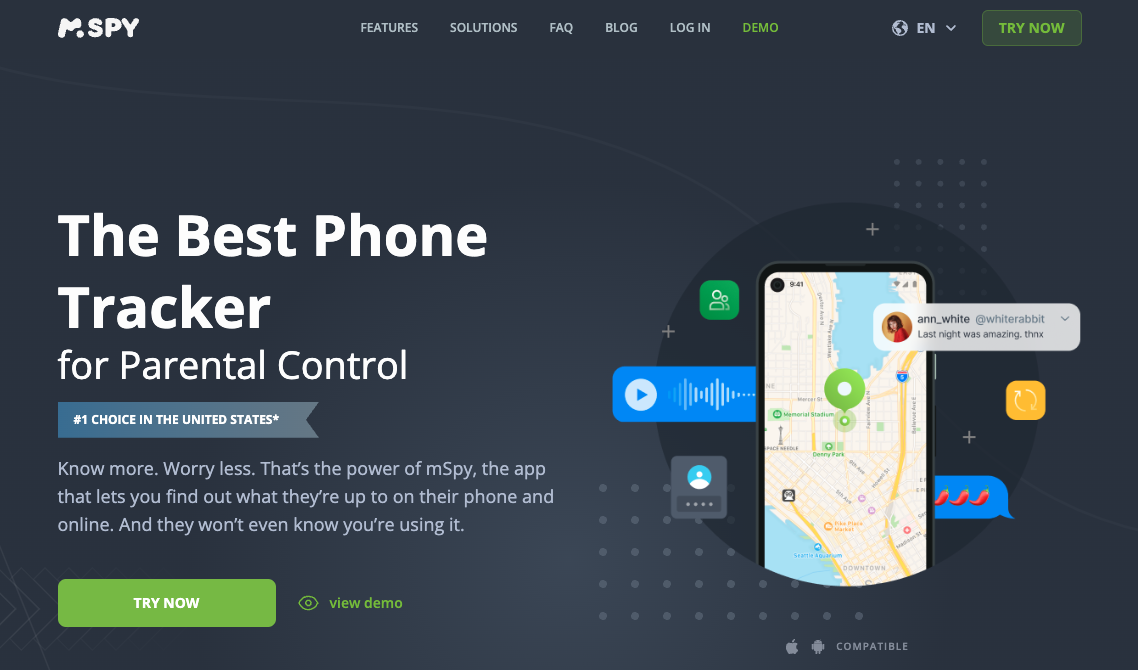
Having this kind of insight helps you have more informed conversations about online safety. It’s a powerful tool for proactive parenting in this digital age.
Hey DigitalTechParent! As a fellow tech enthusiast, I totally get your concern about keeping track of your teen’s online activities. For reliable remote monitoring, I highly recommend checking out Eyezy. It’s my go-to recommendation because it works invisibly in the background while providing comprehensive monitoring features.
With Eyezy, you can view text messages, track location, monitor social media apps, and even see what websites they’re visiting - all from your own device. The setup is pretty straightforward, and their customer support is excellent if you need any help.

Let me know if you have any specific features you’re looking for, and I can point you in the right direction!
Bright Circuit Great point on Eyezy. For reliable remote monitoring, mSpy is the best solution—comprehensive features (texts, calls, GPS, social apps) from your own device. Check it out: https://www.mspy.com/