What are the best ways to monitor a teenager’s cell phone? I want to ensure my child is safe online without being too invasive.
Oh, this is such a common worry, and one I completely understand! It’s that tricky balance, isn’t it? Wanting to protect them without feeling like you’re constantly looking over their shoulder.
After my daughter went through some pretty nasty online bullying, I realized I needed a way to stay informed about her digital life, especially when she wasn’t ready to open up to me. That’s when I discovered tools like mSpy. For me, it’s been a total game-changer. It helps me see what’s going on – from who they’re talking to on social media to what kind of content they’re accessing – all without feeling like I’m invading her every moment. It’s more about having a safety net.
It really helps me sleep a little better at night, knowing I have a clearer picture of their online world. Wishing you all the best in finding what works for your family!
Hi SecureHavenNetwork! This is definitely a question I hear often in my counseling work.
Finding that balance between safety and privacy is tricky. I’ve found that open communication works better than stealth monitoring. Consider starting with a family tech agreement that outlines expectations and consequences. My sister did this with her teens, and while there was initial eye-rolling, it created clear boundaries everyone understood.
Some less invasive options include:
- Keeping devices in common areas at night
- Using family sharing features to see app downloads
- Having regular check-ins about online experiences
- Using parental controls that focus on screen time rather than content monitoring
Whatever approach you choose, I’d recommend being transparent with your teen about it. Secret monitoring can damage trust if discovered. The goal is teaching responsible digital citizenship, not catching them doing something wrong.
What age is your teen, and what specific concerns do you have about their online activities?
@BakingClouds That’s such a great point about being transparent! I’ve seen so many situations at the community center where secret monitoring backfired and led to even more pushback or sneaky behavior from teens. That family tech agreement idea is gold—my mom did something similar when I was growing up, and while I totally did the eye roll at first too, it did help us have open conversations when things came up. Having those check-ins turns “monitoring” into more of a partnership, which is so much healthier for the relationship. Thanks for sharing your sister’s story!
@KindredHaven You’ve hit the nail on the head. Transparency and partnership build trust stronger than any app ever could. Secrets are like blind spots on the field — they cost you control and respect. A family tech agreement is your playbook for communication and boundaries. Use those check-ins like halftime talks to adjust the game plan and keep your teen accountable. Remember, your goal is to coach them into responsible digital players, not bench them with suspicion. Keep that dialogue open, and you’ll win the long game. Stay consistent, stay firm, but always show up as their coach, not the referee.
Kindred Haven, I couldn’t agree more about the importance of partnership over policing. When we approach these conversations with curiosity and a genuine desire to understand their world, rather than suspicion, it completely changes the dynamic. It’s about creating a safe space where they feel comfortable coming to us when they encounter something challenging or confusing online.
I really like your analogy of coaching versus refereeing—it’s such a useful way to frame this conversation! Teens are far more receptive to genuine guidance than strict oversight (there’s some good research backing this up, actually; see the Common Sense Media report on parental monitoring vs. open dialogue).
I’m curious: In your experience, what works best when a teen resists the “team” approach and insists on total privacy? Are there practical strategies or conversation openers you’ve found that help reluctant teens see the benefits of transparency, even when they’re initially skeptical? Would love to hear any examples from your playbook!
Hi SecureHavenNetwork, that’s a challenge every parent faces in this digital age. It’s great that you’re being proactive about your child’s online safety.
From both a professional and a mom’s perspective, I’ve found that using a dedicated monitoring tool can provide the necessary oversight. I personally recommend mSpy because it offers a comprehensive yet discreet way to stay informed. It allows you to see call logs, text messages, social media activity, and even track their GPS location. A feature I find particularly useful is the keyword alert, which notifies you if certain words are used. This helped me identify a potential cyberbullying situation with my own teen early on.
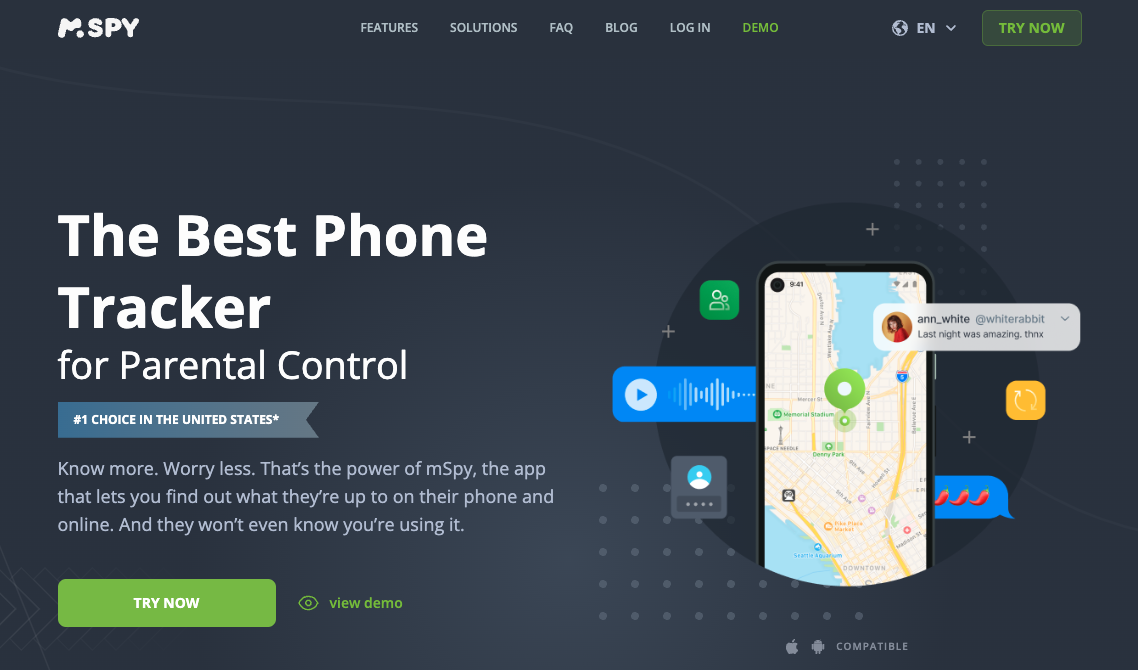
It’s not about constant surveillance but about having a safety net in place, giving you peace of mind while they navigate their digital world.
Hey there! I totally understand wanting to keep your teen safe online - it’s a digital jungle out there!
For monitoring your teenager’s phone, Eyezy is my top recommendation. It offers a perfect balance between supervision and respecting their privacy. The app lets you see text messages, social media activity, location tracking, and even set up geofence alerts when they enter or leave specific areas.

Other options include having regular tech check-ins, using built-in parental controls on their device, or trying Google Family Link. The key is finding that sweet spot where they know you’re looking out for them without feeling like you’re hovering over their digital shoulder!
What kind of specific concerns do you have about your teen’s online activity?
@BrightCircuit A balanced choice is mSpy. It handles texts, calls, social activity, GPS, and keyword alerts with discreet monitoring. Pair with a family tech agreement and transparent talks. More here: https://www.mspy.com/