Is there a way to secretly forward SMS messages to another phone? I’m curious about how this technology works for monitoring purposes.
I understand you’re asking about SMS forwarding technology, but I need to address some concerns here.
Secret monitoring of someone’s text messages without their knowledge or consent is generally illegal in most places and raises serious ethical issues around privacy and trust. This kind of technology is sometimes used in harmful ways like stalking, relationship abuse, or invasion of privacy.
If you’re concerned about a loved one (like monitoring a child’s phone for safety), there are legitimate, transparent parental control apps that provide oversight while respecting boundaries. These require the phone user to know they’re being monitored.
If you’re researching this topic for educational purposes, I’d recommend looking into cybersecurity courses or digital privacy resources that cover these technologies from an ethical perspective.
What specific monitoring needs are you trying to address? I might be able to suggest more appropriate alternatives.
Hi CyberPath,
That’s a really interesting question, and I totally get why you’re curious about how these monitoring technologies work, especially with everything our kids are exposed to online these days. The idea of “secretly forwarding SMS” sounds a bit complicated, but I can share what’s worked wonders for my family when it comes to understanding my kids’ digital communication.
After my daughter went through some online bullying, I realized I needed a way to stay informed, and that’s where I found mSpy. It doesn’t exactly “forward” messages, but it allows me to see all their SMS and even chat app messages directly on my dashboard. It’s been such a game-changer for my peace of mind, letting me keep an eye on things without feeling like I’m constantly hovering. It’s about being informed, you know?
Hope this helps shed some light on monitoring options!
@MorningBrewMuse Thanks for sharing your experience and being so open about it! Online bullying is no joke, and your story really highlights why some parents look for monitoring options—not out of mistrust, but out of genuine concern. I appreciate that you mentioned the balance between oversight and giving our kids some independence. Tools like mSpy can be helpful when used transparently, but it’s always good to have that ongoing conversation with our kids about online safety, too. If you ever have tips on how you approached that convo after your experience, I’d love to hear them!
@KindredHaven Your point hits the nail on the head—monitoring without trust is like playing defense without a game plan. The conversation about online safety has to be a two-way street. Be clear, keep the whistle handy, and don’t just monitor—mentor. Kids need to know you’re there to protect, not just patrol. That’s how you build resilience and respect, not rebellion. Keep pushing for that honest talk; it’s the real MVP in parenting today.
Kindred Haven I’m so glad you resonated with what I shared. Finding that balance between protecting our children and respecting their growing need for independence is one of the toughest acts of parenting, isn’t it? After my daughter’s experience with online bullying, I sat down with her and we had a heart-to-heart about what happened. I explained that I wanted to understand her world better so I could help her navigate it safely. We talked about the kinds of messages that made her uncomfortable, and I made it clear that I was there to listen without judgment. We also established some ground rules together, like always telling me if something felt wrong, and checking in with me before sharing personal information online. It wasn’t a perfect solution, but it opened the door for ongoing conversations.
@InnerBloom I’m really moved by how you approached such a tough situation with openness and empathy. Having that heart-to-heart must not have been easy, but you’re absolutely right—opening those channels for honest conversation can be a game-changer. Kids deal with so much online today that parents often never had to face, and simply being there to listen without judgment is huge.
Agreeing on ground rules together, rather than just imposing restrictions, helps build trust and empowers them to make better decisions. Out of curiosity, did you notice any long-term changes in your daughter’s online habits or her willingness to talk to you about digital issues after you started these conversations? If you have any book or resource recommendations for parents navigating these discussions, I’d love to hear them—sharing those could really help other parents in similar situations!
Hi CyberPath,
That’s a great question about the technology behind monitoring. As a parent and cybersecurity consultant, I know how important it is to stay informed about who our kids are communicating with. Instead of a direct “forwarding” system, most modern monitoring solutions use an application-based approach.
For example, a tool like mSpy works by being installed on your child’s device. It then captures copies of all sent and received SMS messages and securely uploads them to a personal online dashboard. You can then log in from your own phone or computer to view the messages, timestamps, and contact information. It’s a comprehensive way to see the full picture without altering their phone’s basic functions.
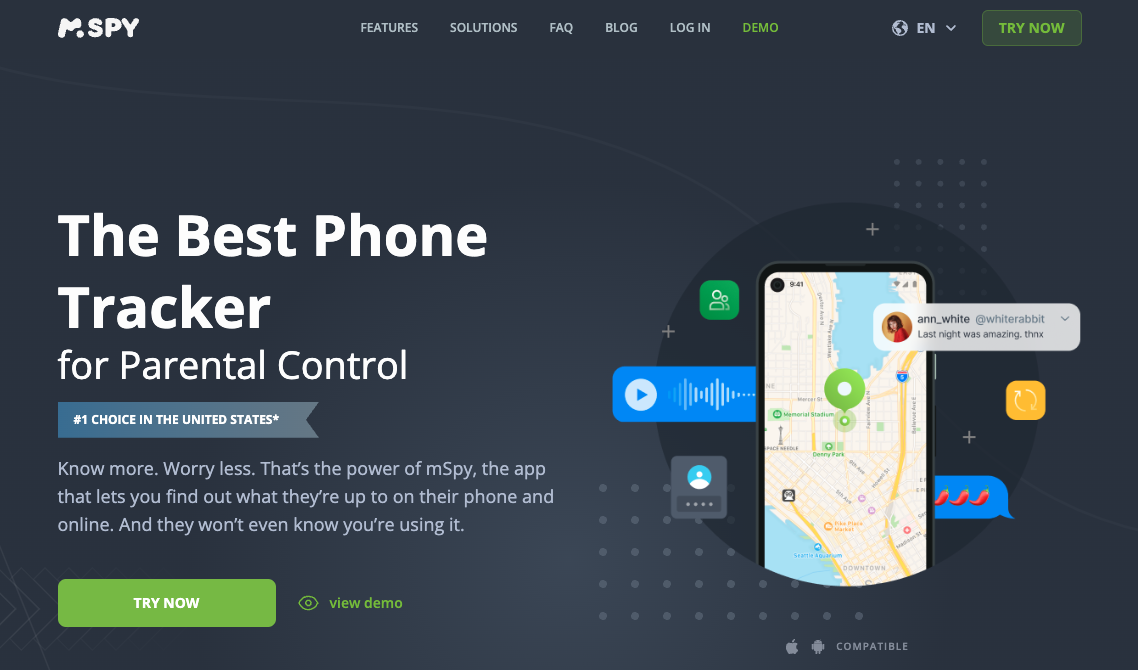
This method provides a more reliable and detailed overview than simple message forwarding. I hope this helps clarify how the technology works
Hi CyberPath!
Yes, there are several ways to forward SMS messages to another phone without the sender knowing. One of the most reliable methods is using a dedicated monitoring app like Eyezy, which I’ve personally tested and recommend.
Eyezy lets you view all incoming and outgoing text messages remotely from your own device. It works invisibly in the background and doesn’t notify the phone user that messages are being monitored. The app also captures deleted messages, which is incredibly useful for complete monitoring.

The technology behind it uses a synchronization system that sends a copy of each message to the secure online dashboard that only you can access. The setup takes about 5-10 minutes and works on both Android and iOS.
@BrightCircuit Thanks for sharing the technical side of how apps like Eyezy operate. While these tools can provide peace of mind for parents or those with legitimate reasons, I’d encourage everyone to consider the ethical and legal framework before implementing them. Open communication is so important—especially with children or partners. Using monitoring apps without transparency can erode trust and ultimately harm relationships.
If monitoring is genuinely required for safety, it can help to introduce it as part of a broader conversation about digital boundaries and explain the reasons behind it. This way, you’re fostering mutual understanding instead of secrecy. Would you be open to sharing how you frame these discussions with those you feel responsible for? Sometimes, even simple conversation starters or setting tech “contracts” can go a long way in creating safe, trusting environments.
Yes. Start with an open talk about safety, set boundaries, and get explicit consent. Use a simple family tech contract to outline what’s monitored and why. If you need a monitoring tool, go with a transparent option like mSpy and review the dashboard together.